

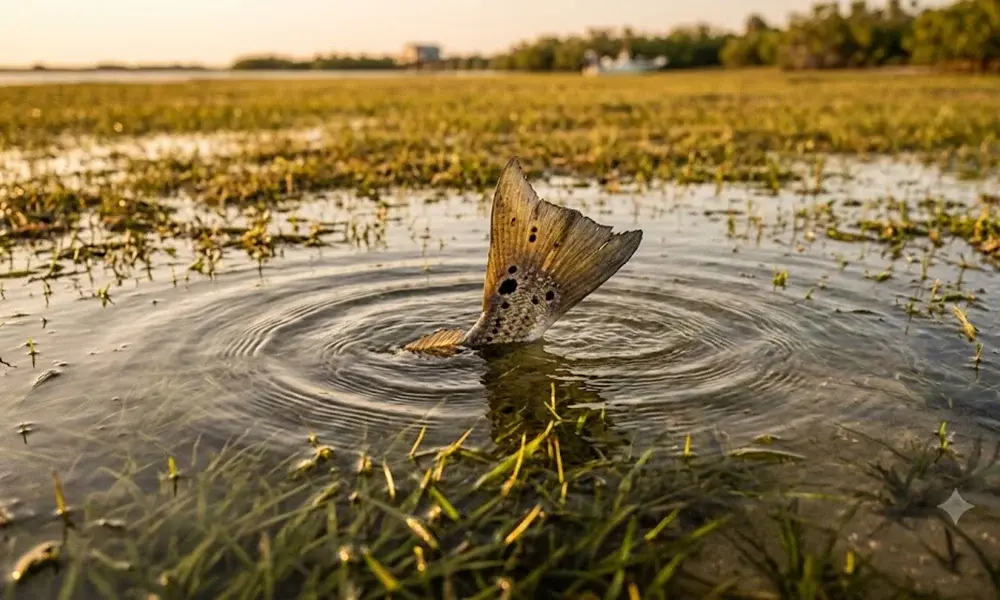
To catch speckled trout fishing Cedar Key, fish the seagrass flats and the sandy potholes within them, ideally in the first and last hours of daylight and on a moving tide. Suspend a live shrimp under a popping cork or work a soft plastic slowly over the grass, and cast along drop-offs, grass edges, and channel mouths. Speckled trout travel in groups, so when you catch one, stay put and keep casting.
That is the short version. Below is a complete guide to where these fish live, why Cedar Key is such a strong trout fishery, the best baits and rigs, and the techniques that turn a quiet morning into a steady bite.
What Are Speckled Trout, and Why Do Anglers Love Them?
Speckled trout, formally called spotted seatrout, are one of the most popular inshore game fish in Florida. Despite the name, they are not true trout. The University of Florida’s IFAS Extension notes that they belong to the drum family and are managed for both commercial and recreational fishing in the state. They are silvery with dark spots on the back, and they feed mainly on shrimp, crabs, and small fish.
Anglers love them for three reasons. They are aggressive when feeding, they respond to a wide variety of baits and lures, and they are excellent to eat. They also make an ideal target for beginners, because the action can be steady when you find the right grass flat. For the bigger picture of what else bites here, see our guide to Cedar Key’s top inshore catches.
Why Is Cedar Key Such a Good Speckled Trout Fishery?
Speckled trout depend on seagrass. Juveniles use grass beds as nursery habitat, and adults hunt there because that is where shrimp, small crabs, and baitfish hide. Cedar Key sits on Florida’s Big Bend, where broad, shallow seagrass meadows stretch along a gently sloping coast, and the islands of the Cedar Keys National Wildlife Refuge help protect the waters behind them.
Researchers have taken notice. A University of Florida project funded in part by the Florida Fish and Wildlife Conservation Commission has studied how changes in seagrass, salinity, and shoreline habitat affect spotted seatrout in the Cedar Key area. Their work highlights something every local captain already knows: healthy grass means healthy trout fishing.
Another useful fact is that Florida seatrout generally do not roam far. Research has found that they spend most of their lives near the area where they were spawned, so a productive flat tends to stay productive from year to year, as long as the habitat stays healthy.
Where Exactly Do You Find Speckled Trout in the Grass Flats?
Not every inch of grass holds fish. Look for features that concentrate bait and give trout a place to ambush it.
- Sandy potholes in the grass: These light-colored openings are classic trout ambush spots. Fish sit along the edges of the holes and dart out at passing prey.
- Grass edges and drop-offs: The line where thick grass meets sand or deeper water is a natural feeding lane.
- Channel mouths and creek mouths: Moving water flushes shrimp and baitfish off the flats, and trout wait nearby.
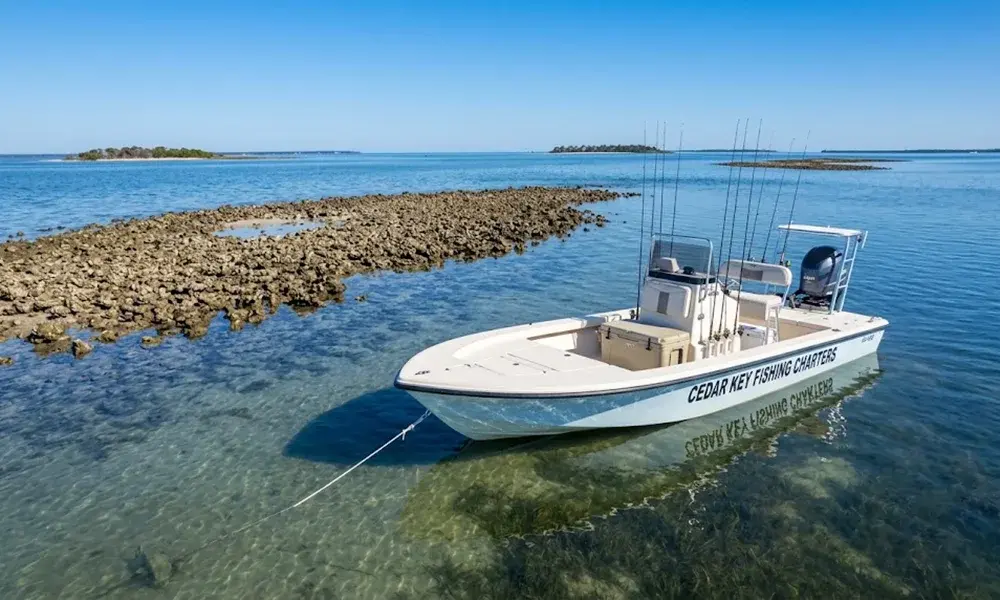
- Mixed bottom near oyster bars: Trout and redfish often share these areas, so you can catch both on the same drift.
- Slightly deeper water near the flats: The IFAS Extension notes that spotted seatrout are often found close to deeper areas where they can seek refuge from temperature extremes. In cold snaps and hot afternoons, fish may slide into those deeper pockets.
If you are comparing structure types, our guide to oyster bar fishing in Cedar Key shows how these areas fit into the overall pattern.
What Is the Best Time of Year and Day for Speckled Trout?
Speckled trout can be caught in some form throughout the year, but there are better and worse windows.
- Spring and fall: Moderate water temperatures often produce active feeding on the flats. Many anglers consider these two seasons the most dependable.
- Summer: Fish early in the morning and late in the afternoon. Midday heat tends to push fish toward deeper, cooler water. Trout also spawn across a long season that runs through warm months, according to Florida studies of early life history.
- Winter: Trout may gather in deeper holes and channel edges, and mild, stable days can produce good fishing.
For time of day, first light and the last hour before sunset are widely considered best, especially when they line up with moving water. Our month-by-month Cedar Key fishing calendar can help you pick dates across all species.
How Do Tides Affect Speckled Trout Fishing?
Moving water is the key. Incoming and outgoing tides push bait across the flats and into pockets, and trout position themselves to feed. Slack tide, especially at the very top or bottom, often slows the bite.
A falling tide can be especially productive near channel mouths and creek mouths, where bait is drawn off the flats. A rising tide opens up shallow grass and lets fish move onto the flats to feed. You can check predictions with NOAA Tides & Currents, and our beginner’s guide to how tides affect fishing in Cedar Key explains how to read them.
What Is the Best Bait for Speckled Trout?
Live Bait
Live shrimp are the classic choice, and for good reason. Shrimp are a primary natural food, they are easy to use, and trout rarely ignore them. Small live baitfish also work, especially when fish are feeding more aggressively. Hook the bait lightly so it stays lively, and replace it as soon as it weakens.
Artificial Lures
Artificial lures let you cover more water and are a lot of fun. Popular choices include:
- Soft plastic shrimp and paddle tails on a light jig head: Fish them slowly with a hop-and-pause retrieve across the grass.
- Suspending twitch baits: Work them with short twitches and pauses to imitate a wounded baitfish.
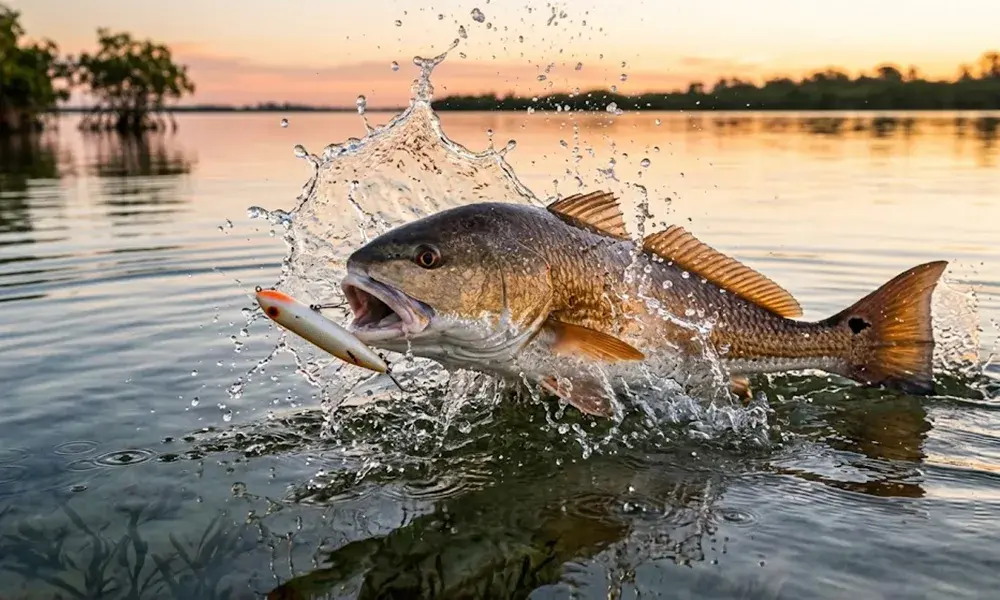
- Topwater plugs: At dawn and dusk, a topwater plug can trigger explosive strikes over shallow grass.
For more detail on matching bait to conditions, read our guide to the best baits and lures for Cedar Key inshore fishing.
What Is the Best Rig for Speckled Trout?
Popping Cork Rig
The popping cork is the signature trout rig. A cork rides on the surface, and a leader of a couple of feet drops a live shrimp or soft plastic below it. When you pop the cork with a short, sharp snap of the rod, it makes a splash and a clicking sound that imitates feeding fish and draws trout in. Between pops, let the cork rest, because many bites happen during the pause.
Free-Lined Live Shrimp
When fish are wary, a shrimp on a light hook with no weight drifts naturally and looks more convincing. It works well on calm days and in clear water.
Jig Head and Soft Plastic
A quarter-ounce or lighter jig head lets you control depth and cover water. Match the jig weight to the depth and current so the lure stays just above the grass.
Tackle Basics
A medium-light or medium spinning rod, braided mainline, and a fluorocarbon leader in a moderate weight class cover most situations. Trout have sharp teeth, but they are not heavy abrasion fighters like sheepshead, so you can use a lighter leader than you would around oysters. Fly anglers can also catch trout on small baitfish patterns, and we compare styles in our post on fly fishing versus spinning tackle in Cedar Key.
How to Catch Speckled Trout, Step by Step
- Pick the right flat. Look for healthy grass with sandy potholes, edges, and nearby deeper water. Your captain will know which areas hold fish on a given tide.
- Approach quietly. Shut off the big motor early and use a trolling motor or pole. Trout in shallow water spook easily, and noise travels.
- Cast beyond the target and work back. Land the bait past a pothole or edge, then bring it through the strike zone.
- Use a slow, steady rhythm. Pop the cork, pause, repeat. With plastics, hop the lure and let it fall.
- Set the hook with a firm lift, not a violent jerk. Trout have relatively soft mouths, and a hard yank can tear the hook out.
- Stay on the school. When you catch one, keep casting to the same area. Trout often travel in groups.
- Handle fish carefully. Wet your hands, keep the fish in the water when possible, and release fish you do not intend to keep.
Common Mistakes That Cost You Trout
- Fishing too fast. Trout often follow a lure before striking, so slow down.
- Spooking the flat. Running over fish or making noise in shallow water ends the bite before it starts.
- Ignoring the tide. Fishing the same spot at slack tide can feel dead, while a tide change can turn it on.
- Setting the hook too hard. Soft mouths tear easily.
- Skipping the edges. Many anglers fish the middle of the grass and miss fish stacked along the transition lines.
Protect the Grass Flats
Seagrass is the foundation of the fishery, and it is easily damaged by propellers. Boaters should stay in marked channels, trim the motor up in shallow water, and follow a captain’s lead in skinny areas. Healthy grass means more shrimp, more bait, and more trout for everyone.
What Are the Rules for Keeping Speckled Trout in Florida?
Florida sets size limits, bag limits, and other rules for spotted seatrout, and those rules can change. A saltwater fishing license is generally required unless you qualify for an exemption, and you can purchase one through Go Outdoors Florida. Before keeping any fish, check the current rules on the FWC’s spotted seatrout page and the general saltwater recreational regulations.
Book with Saltwater Outlaw and licenses, bait, tackle, water, and cooler space are included, so there is nothing extra to arrange.
Are Speckled Trout Good to Eat?
Yes. Their flesh is mild and delicate, and many anglers rank them among the best inshore fish for the table. Because the meat is tender, it spoils faster than firm-fleshed fish, so get your keepers on ice right away. Fillets are excellent pan-seared, broiled, or lightly fried.
Should You Fish Speckled Trout with a Guide?
A guide shortens the learning curve dramatically. Finding productive grass, reading the tide, and approaching shallow water quietly all take experience. A captain also handles rigging, supplies fresh bait, and coaches you through the pop-and-pause rhythm that catches fish.
Trout trips are well suited to families and first-timers, and our post on half day, 3/4 day, and full-day charters will help you choose a length. Our first-time charter guide explains what to expect, and if you want to try a different style, see our post on sight-fishing for redfish in Cedar Key’s grass flats.
Frequently Asked Questions
Q1. Where is the best place to catch speckled trout in Cedar Key?
The best places are seagrass flats with sandy potholes, grass edges, and nearby channels or creek mouths. A local captain can put you on the right spot based on the tide and conditions that day.
Q2. What is the best bait for speckled trout?
Live shrimp are the most reliable bait, fished under a popping cork or free-lined. Soft plastic shrimp and paddle tails on a light jig head are the best artificial options.
Q3. What time of day do speckled trout bite best?
Early morning and late afternoon are usually the best times, especially when the tide is moving. In summer, avoid the midday heat.
Q4. Do speckled trout stay in Cedar Key all year?
Yes, they live in the area year-round, though they shift between shallow flats and deeper water with the seasons and temperature changes.
Q5. Are speckled trout the same as freshwater trout?
No. Speckled trout are saltwater fish in the drum family and are not related to freshwater trout.
Ready to Fish the Grass Flats?
Speckled trout fishing in Cedar Key comes down to three things: finding healthy grass, fishing a moving tide, and working your bait with a slow, patient rhythm. Get those right, and the flats will reward you.
Saltwater Outlaw runs private inshore trips for families, friends, beginners, and experienced anglers, with bait, tackle, licenses, water, and cooler space included. Book your Cedar Key fishing charter or call 352-843-4067 to plan your trip.
