

To catch sheepshead in Cedar Key, fish a small, sturdy hook baited with a fiddler crab or a piece of shrimp right against oyster bars, pilings, or rocky structure on a moving tide. Use a light sinker, keep your line almost tight, and set the hook the moment you feel a tap. Winter and early spring are the best seasons, and the bite is subtle, so patience and sharp attention matter more than strength.
That is the quick answer. This guide breaks down where sheephead live, what they eat, which rigs work, and how to turn a nibble into a fish in the cooler.
What Makes Sheepshead Different from Other Inshore Fish?
Sheepshead are members of the porgy family, and anglers also call them convict fish because of the bold black vertical bars on their silver-gray sides. According to the Florida Museum, they are a marine species that favors hard bottom, and they range from the Atlantic coast around to the Gulf of Mexico.
Their most famous feature is their mouth. Sheepshead have front teeth and rear molars that look remarkably like human teeth, and they use that equipment to crush barnacles, crabs, oysters, and other hard-shelled food. That diet explains everything about how you catch them. They live where shellfish live, they feed carefully and deliberately, and they are experts at stripping a hook clean without moving your rod tip.
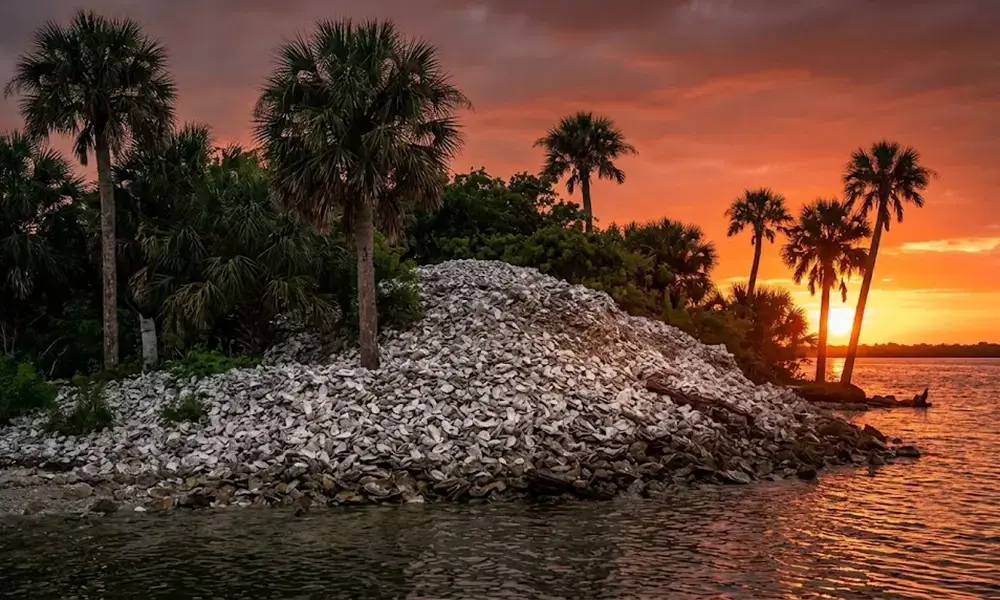
Cedar Key is well suited to this fish. The area has abundant oyster bars, shell flats, and hard structure, which is exactly the habitat sheepshead search for. If you want to understand the structure itself, read our guide to oyster bar fishing in Cedar Key.
Where Do You Find Sheepshead Around Cedar Key?
Think hard, shell-covered structure in shallow to moderate water. Productive areas usually share a few traits:
- Oyster bars and shell mounds: These hold barnacles, small crabs, and mussels, so sheepshead patrol them all day.
- Dock pilings and bridge supports: Barnacle-covered posts are a natural buffet.
- Rock piles and rubble edges: Hard bottom with cracks and crevices attracts crabs, and crabs attract sheepshead.
- Channel edges and drop-offs near structure: Fish stage here and move onto the structure as the tide shifts.
A local captain spends years learning which bars and edges hold fish in different conditions, which is a major advantage of fishing with a guide. Our post on Cedar Key’s top inshore catches shows how sheephead fit into the larger picture.
What Is the Best Season for Sheepshead Fishing in Cedar Key?
Sheepshead can be caught in some numbers for much of the year, but the cooler months are widely considered prime time. As water temperatures drop in winter and early spring, larger fish tend to gather in numbers around structure, and many anglers target them heavily during this window. Spring can remain productive as fish stay concentrated before spreading out as the water warms.
In summer, smaller resident fish are still around the same kind of structure, so a trip can still be fun, but the bite is usually less concentrated. Exact timing shifts with each year’s weather, so treat these as general patterns. Our month-by-month Cedar Key fishing calendar can help you plan around other species too.
What Is the Best Bait for Sheepshead?
Because sheepshead eat hard-shelled prey, the best baits are natural crustaceans and shellfish.
- Fiddler crabs: Often considered the top bait. They are a natural food, tough on the hook, and hard for bait stealers to pick off quickly.
- Small pieces of shrimp: An easy, widely available option. Use fresh shrimp and thread it so the hook point is exposed.
- Sand fleas: Also called mole crabs, these work well in areas where they are available.
- Small crabs and barnacle or oyster pieces: These mimic what sheepshead already eat on the structure.
Keep your bait small and well secured. Sheepshead bite delicately, and a bulky bait hides your hook and reduces your hook-up rate. For more on bait choices across species, see our guide to the best baits and lures for Cedar Key inshore fishing.
What Is the Best Rig and Tackle for Sheepshead?
A simple setup beats a complicated one here. The goal is to put bait right next to structure while still feeling the faintest tap.
The Basic Knocker Rig
Slide a small egg sinker onto your line so it rests directly on top of the hook, then tie on a small, sharp, short-shank hook. This is often called a knocker rig. The sinker sits tight to the hook, which lets you drop the bait straight down along the structure and keep contact with it. Use the lightest weight that holds bottom in the current.
Hook, Leader, and Line
- Hook: Choose a small, strong hook. Sheepshead have a small mouth, and a hook that is too large will not penetrate well.
- Leader: Fluorocarbon leader in a moderately heavy class helps resist abrasion from oyster shells and barnacles.
- Mainline: Braided line transmits bites better than monofilament because it has no stretch, which helps you feel soft taps.
Rod and Reel
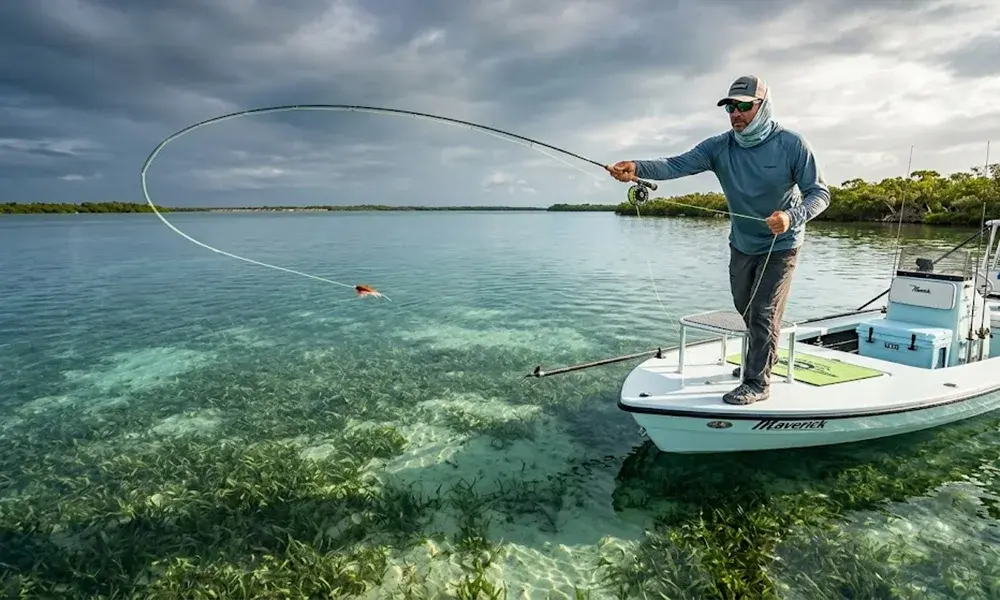
A medium or medium-light spinning rod with a fast tip is ideal. The sensitive tip shows the bite, and the backbone gives you enough power to turn a fish away from the structure. Fly anglers can also target sheepshead on calm days, and we compare styles in our post on fly fishing versus spinning tackle in Cedar Key.
How to Catch a Sheepshead, Step by Step
- Position the boat close to the structure. Sheepshead sit tight to the shell, so accuracy matters more than distance.
- Lower the bait straight down. Let it fall along the edge until the sinker touches bottom.
- Keep a nearly tight line. Too much slack hides the bite. Too much tension can spook fish or snag you in the shell.
- Watch the rod tip and feel for a tap. Sheepshead often bite with a quick, subtle tick. Some anglers say the fish feels like it is simply inspecting the bait.
- Set the hook fast and firmly. Lift sharply as soon as you feel the tap. Waiting too long gives the fish time to crush and strip the bait.
- Turn the fish away from structure. Sheepshead pull hard toward the shell, and if you let them reach it, your line can be cut. Keep steady pressure and guide the fish into open water.
How Do Tides and Timing Affect Sheepshead?
Moving water brings food to the structure and wakes the fish up. Many anglers find that the periods of stronger incoming or outgoing tide produce more consistent bites than the dead slack at the top or bottom of the cycle. You can check predictions with the NOAA Tides & Currents service, and our beginner’s guide to how tides affect fishing in Cedar Key explains how to read them.
Wind, water clarity, and temperature also play a role. Sudden cold snaps can briefly shut down the bite, while a few stable days often turn it back on.
Common Mistakes That Cost You Fish
- Using a hook that is too big. It prevents solid hook-ups.
- Waiting for a hard pull. Sheepshead rarely slam a bait. Respond to the tap.
- Using too much weight. A heavy sinker dulls sensitivity and spooks fish.
- Letting the bait drift away from structure. The fish are tight to the shell, so your bait must be too.
- Ignoring leader wear. Oyster shells chew through line. Check your leader often and retie after a snag.
What Are the Rules for Keeping Sheepshead in Florida?
Florida sets size limits, bag limits, and other rules for many saltwater species, and those rules can change. A saltwater fishing license is generally required unless you qualify for an exemption, and you can purchase one through Go Outdoors Florida. Before keeping any fish, confirm the current sheepshead regulations on the official Florida Fish and Wildlife Conservation Commission saltwater recreational regulations page.
When you book a charter with Saltwater Outlaw, fishing licenses, bait, tackle, water, and cooler space are included, so you can focus on the fishing.
Are Sheepshead Good to Eat?
Yes. Many anglers rate sheepshead as an excellent table fish with a mild, slightly sweet, white flesh. The University of Florida’s IFAS Extension has featured the species in its Gulf Coast Catch and Cook series, calling it fun to catch and delicious to eat.
Two handling notes are worth knowing. First, sheepshead have sharp dorsal spines, so grip the fish carefully and use pliers or a towel. Second, their scales are tough and their bodies are deep, so filleting takes a bit more effort than with a trout. Keep keepers on ice right away, and ask your captain for a quick cleaning demonstration if you are new to it.
Why Fish for Sheepshead with a Local Guide?
Sheepshead reward local knowledge more than almost any other inshore fish. A captain knows which bars hold fish on a given tide, how to anchor or position the boat close to structure without spooking fish, and how to rig and bait so the bite turns into a hook-up. Beginners often get bites without realizing it, and a guide coaches you through the feel and timing until it clicks.
If you are choosing a trip length, our comparison of half day, 3/4 day, and full-day charters can help, and our first-time charter guide explains what to expect on the water.
Frequently Asked Questions
Q1. What is the best bait for sheepshead in Cedar Key?
Fiddler crabs are widely considered the best bait, with small pieces of fresh shrimp and sand fleas as strong alternatives. Keep the bait small so the hook stays effective.
Q2. Why are sheepshead so hard to hook?
They bite softly, they have a small mouth, and their teeth are built to strip hard-shelled prey from structure. Many bites feel like a faint tap, so you need to watch your line and set the hook immediately.
Q3. When is sheepshead season in Cedar Key?
Fish are available much of the year, but the cooler months of winter and early spring are generally the most productive. Always check current Florida regulations for any seasonal rules.
Q4. What kind of rig works best for sheepshead?
A knocker rig, with a small egg sinker resting directly on a small, strong hook, is a reliable choice. It keeps the bait tight to the structure and lets you feel subtle bites.
Q5. Can beginners catch sheepshead?
Yes. The technique is simple once you learn to feel the bite, and a captain can coach you through it. Calm, protected water makes it a good trip for beginners and families.
Ready to Catch Sheepshead in Cedar Key?
Sheepshead fishing is a game of precision. Put a small bait right next to the structure, stay alert to the tap, and set the hook fast. With the right captain and a little patience, you can turn this tricky fish into a cooler full of excellent fillets.
Saltwater Outlaw runs private inshore trips for families, friends, beginners, and experienced anglers, with bait, tackle, licenses, water, and cooler space included. Book your Cedar Key fishing charter or call 352-843-4067 to plan your trip.
