

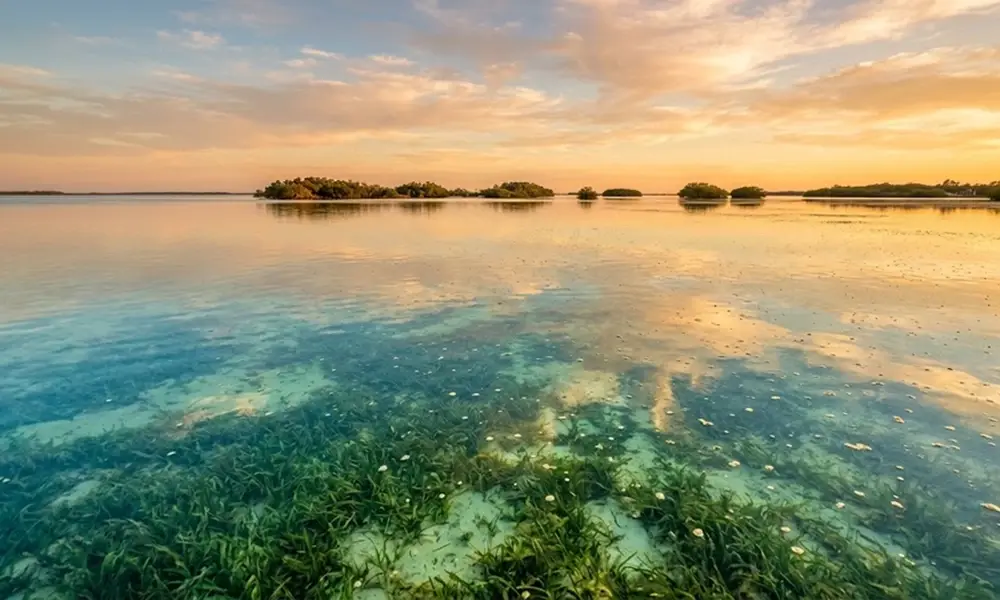
Inshore Fishing Work in Cedar Key means targeting redfish, speckled trout, sheepshead, and other Gulf Coast species in shallow, protected water close to shore, usually in less than ten feet of depth. You fish grass flats, oyster bars, creek mouths, and channel edges from a small, shallow-draft boat with light tackle. A local guide handles the boat, bait, and tide knowledge, so even first-timers can catch fish.
That is the short answer. The rest of this guide explains how the system actually works: where the fish live, what you can catch in each season, how tides and weather change the bite, what the rules are, and what a guided charter looks like from the dock to the cooler.
What Is Inshore Fishing Work in Cedar Key, and How Is It Different from Offshore?
Inshore fishing happens in estuaries, bays, flats, and the waters around barrier islands. Offshore fishing happens miles out in the open Gulf, in deep water, with bigger boats, heavier gear, and much longer runs. Most visitors to Cedar Key are surprised to learn how much action happens in water so shallow that you can often see the bottom.
The practical differences matter for planning a trip:
- Water conditions: Inshore water is sheltered by islands and shoreline, so rides are short and generally calm, which makes it friendlier for kids, beginners, and anyone prone to seasickness.
- Tackle: Inshore rods are light, and spinning reels are standard, so you feel every bite.
- Targets: Instead of deep-water species, you chase fish that feed on shrimp, crabs, and baitfish in the shallows.
- Cost and time: Without long runs to distant grounds, more of your trip is spent actually fishing.
Why Cedar Key Is Such a Productive Inshore Fishery
Cedar Key sits in Levy County on Florida’s Big Bend, a stretch of coastline known for gentle slopes, broad seagrass meadows, and very little wave energy. Offshore of town, a chain of small islands protects the water behind them. Thirteen of those islands make up the Cedar Keys National Wildlife Refuge, a federal refuge that has protected the area’s habitat and nesting birds for generations.
That habitat is the engine behind the fishing. Seagrass flats shelter shrimp, crabs, and small baitfish. Oyster bars create structure where sheepshead, black drum, and redfish hunt. Tidal creeks and channels funnel food toward waiting predators. When you combine all of that in one compact area, you get a place where a captain can often find fish within a short ride of the dock, even when conditions change.
What Fish Can You Catch Inshore in Cedar Key?
The lineup changes with the seasons, but a few species form the backbone of the fishery. For a deeper species-by-species breakdown, see our guide to Cedar Key’s top catches.
Redfish
Redfish, also called red drum, are the headline species. They are strong, available through much of the year, and famous for tailing in shallow water where their backs sometimes break the surface. Anglers catch them on live bait, cut bait, soft plastics, and gold spoons. When the water is clear and the sun is high, sight-casting to cruising reds is one of the most exciting ways to fish. We cover the technique in detail in our post on sight-fishing for redfish on Cedar Key’s grass flats.
Speckled Trout
Speckled trout, formerly spotted seatrout, are the most reliable action fish on the grass flats. They are aggressive, they school, and they often respond well to a live shrimp suspended under a popping cork or a soft plastic worked slowly over the grass. Cooler months and early mornings tend to be the most productive windows, though they can be found in some form most of the year.
Sheepshead
Sheepshead are the structure specialists. They crowd around oyster bars, pilings, and rocky edges, and they are known for stealing bait with small, careful bites. Fiddler crabs and small pieces of shrimp on a sturdy, small hook work well. Winter and early spring are typically prime time. Learn more about the habitat in our oyster bar fishing guide.
Black Drum, Flounder, and Spanish Mackerel
Black drum show up around oyster bars and deeper holes, especially in cooler months. Flounder lie camouflaged on sandy edges and are often targeted when bait is moving through passes. Spanish mackerel are fast, schooling fish that appear in warmer months, often near channels where bait is concentrated. Tripletail may also appear around floating objects and markers in warmer water. Which of these are biting on a given day depends on water temperature, bait activity, and tide, which is why a local captain’s judgment matters.
Cedar Key Fishing Seasons: What to Expect Throughout the Year
Fish do not leave the Big Bend entirely in any season, but their location and mood shift. Here is a general pattern, with the caveat that weather and water temperature vary from year to year.
- Spring: Warming water brings fish onto the flats. Trout and redfish become more active, and migratory species can start to appear.
- Summer: Early-morning and late-afternoon trips are the smart choice. Fish often feed at first light and again as the heat fades, and you stay more comfortable on the water.
- Fall: Many local anglers consider this a favorite season. Cooling water and moving bait can trigger strong feeding for redfish and trout.
- Winter: Sheepshead and black drum become a bigger part of the story, and clear, calm days after a stretch of mild weather can fish very well.
For a full breakdown by month, read our month-by-month Cedar Key fishing calendar.
How Tides, Wind, and Weather Shape the Bite
On the flats, water movement is everything. Moving water carries bait, and predators position themselves to take advantage of it. A strong incoming or outgoing tide often produces better bites than the slack period at the very top or bottom of the cycle. Tide also determines where you can go: some flats are accessible only when there is enough water over them.
Captains routinely check tide predictions from the NOAA Tides & Currents service when planning a day, and our beginner’s guide to how tides affect fishing in Cedar Key explains the basics in plain language.
Wind and temperature matter, too. A strong wind can muddy shallow water and make sight-fishing difficult, while a sudden cold front can slow the bite for a day or two before fish settle into a new pattern. A good captain adapts by changing locations, depth, or technique instead of giving up on the day.
Tackle, Bait, and Techniques Used Inshore
Inshore fishing is built on simple, effective setups. Most guides use medium or medium-light spinning rods with braided line and a fluorocarbon leader. Common approaches include:
- Live bait under a popping cork: The cork keeps shrimp or small baitfish at the right depth over grass, and the pop attracts fish by sound.
- Free-lined live bait: A shrimp on a light hook drifts naturally with the current, which is deadly around structure.
- Soft plastics and jig heads: These imitate shrimp and baitfish and let you cover water quickly.
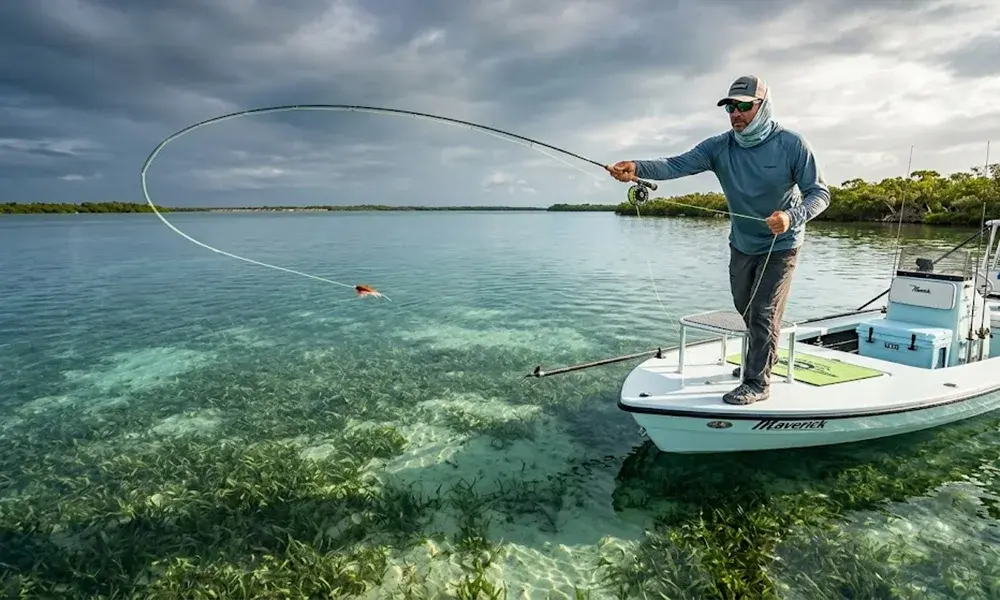
- Fly fishing: Some anglers prefer to cast flies to tailing redfish on calm days. We compare both styles in our post on fly fishing versus spinning tackle in Cedar Key.
To learn which baits and lures work best, check out our guide to the best baits and lures for Cedar Key inshore fishing.
Do You Need a Fishing License in Florida?
In Florida, saltwater anglers generally need a saltwater fishing license unless they qualify for an exemption. Licenses are issued through the state, and you can purchase one through Go Outdoors Florida. Rules about size limits, bag limits, and open seasons vary by species and can change, so always check the official Florida Fish and Wildlife Conservation Commission saltwater recreational regulations before you keep a fish.
If you book with Saltwater Outlaw, the trip includes fishing licenses, along with bait, tackle, water, and cooler space for your catch, so there is nothing extra to buy before you step aboard.
How a Cedar Key Fishing Charter Works
Booking a guide removes most of the guesswork. Here is what a typical trip looks like:
- Booking and planning: You choose a trip length and a date. Your captain watches the tides and weather and may adjust the plan to give you the best shot at fish.
- Meeting at the dock: You arrive, meet your captain, and get a quick safety briefing. Bring sun protection, a hat, polarized sunglasses, and appropriate shoes.
- Running to the fishing grounds: Because the best spots are close, you spend more time fishing and less time traveling.
- Fishing and instruction: Your captain sets up the gear, rigs the bait, and coaches you on casting, hook sets, and fighting fish. Beginners are welcome.
- Back to the dock: Legal keepers go in the cooler, and many captains will show you how to handle and clean your catch.
There are three common trip lengths. Half-day trips suit families and first-timers, longer trips give you more time to chase different species, and full-day trips let a captain fish multiple tides and spots. Our post on half day versus 3/4 day versus full-day charters will help you pick, and our first-time charter guide covers what to expect, including bringing a pet along.
Is Hiring a Local Guide Worth It?
You can fish Cedar Key on your own, but the learning curve on shallow flats is steep. Navigating shallow channels without running aground, reading the tide, choosing the right bait, and finding fish that are moving every day takes years of local experience. A guide compresses that learning into a single morning, supplies the gear, and keeps the trip safe.
For visitors with limited time, that efficiency is the real value. Instead of spending half a day searching, you spend it casting at fish.
Make a Weekend of It
Cedar Key is a small, walkable town with plenty to do between fishing trips. You can explore the islands of the national wildlife refuge by kayak or tour boat, wander the historic district, and enjoy fresh local seafood. The Cedar Key Chamber of Commerce is a helpful starting point for lodging, events, and rentals. For more ideas, see our guides to things to do in Cedar Key beyond fishing and where to eat on Dock Street, and read the full guide to Cedar Key as Old Florida’s hidden fishing town.
Frequently Asked Questions
Q1. What is the best month to fish in Cedar Key?
There is no single best month, because different species peak at different times. Fall is popular for redfish and trout, winter is strong for sheepshead and black drum, and spring and summer offer warm-water action, especially early and late in the day.
Q2. Do I need experience to go on an inshore fishing charter?
No. Inshore trips are well suited to beginners because the water is sheltered, the tackle is light, and your captain provides instruction and sets up the gear.
Q3. What fish can I keep?
It depends on the species, size, and season. Florida sets size limits, bag limits, and closed seasons for many saltwater fish, and those rules can change. Check the FWC regulations page or ask your captain before keeping any fish.
Q4. Is inshore fishing safe for kids?
In general, yes. Calm, protected water and short runs make inshore fishing a popular choice for families. Life jackets, sun protection, and a captain who knows the area help keep the trip safe and enjoyable.
Q5. How is inshore fishing different from fishing from a pier or shore?
A boat lets you reach flats, oyster bars, and channels that are impossible to cast to from land, and a captain follows the fish as tides and conditions change. Pier and shore fishing can still be fun, but your range is limited.
Ready to Fish Cedar Key?
Inshore fishing in Cedar Key works because the habitat, the tides, and a knowledgeable captain come together in a small, productive area. Whether you want to sight-cast to redfish, fill a cooler with trout, or simply introduce your family to saltwater fishing, a guided trip is the easiest way to do it right.
Saltwater Outlaw offers private trips for families, friends, beginners, and experienced anglers, with bait, tackle, licenses, water, and cooler space included. Book your Cedar Key fishing charter or call 352-843-4067 to plan your trip.
