
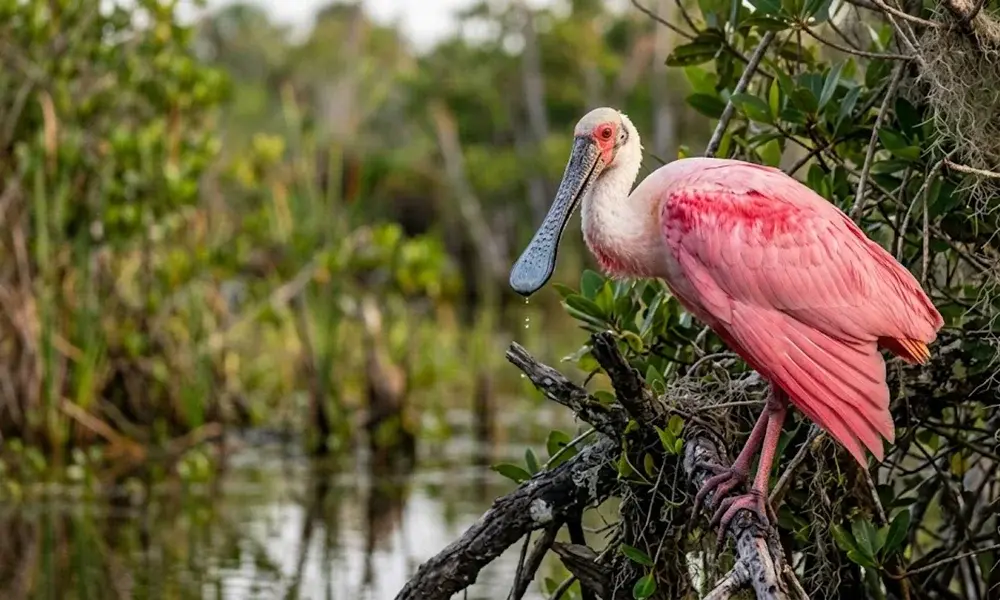
Just offshore from downtown Cedar Key sits a scattered cluster of small islands that most visitors never fully explore, and that’s exactly what makes them special. The Cedar Keys National Wildlife Refuge protects some of the most important bird nesting habitat on Florida’s Gulf Coast, and for anyone interested in wildlife, history, or just a quieter side of Cedar Key, it’s well worth a visit.
What Is the Cedar Keys National Wildlife Refuge?
Established in 1929, the refuge consists of about a dozen small islands covering roughly 800 acres, according to the U.S. Fish and Wildlife Service. It’s one of the oldest refuges in the National Wildlife Refuge System and was created specifically to protect colonial nesting birds, species that nest in large, shared colonies rather than scattered individual sites.
The refuge is managed by the North Florida Refuge Complex, which also oversees the neighboring Lower Suwannee National Wildlife Refuge, and includes a designated Wilderness Area covering four of the islands.
What Wildlife You Can See
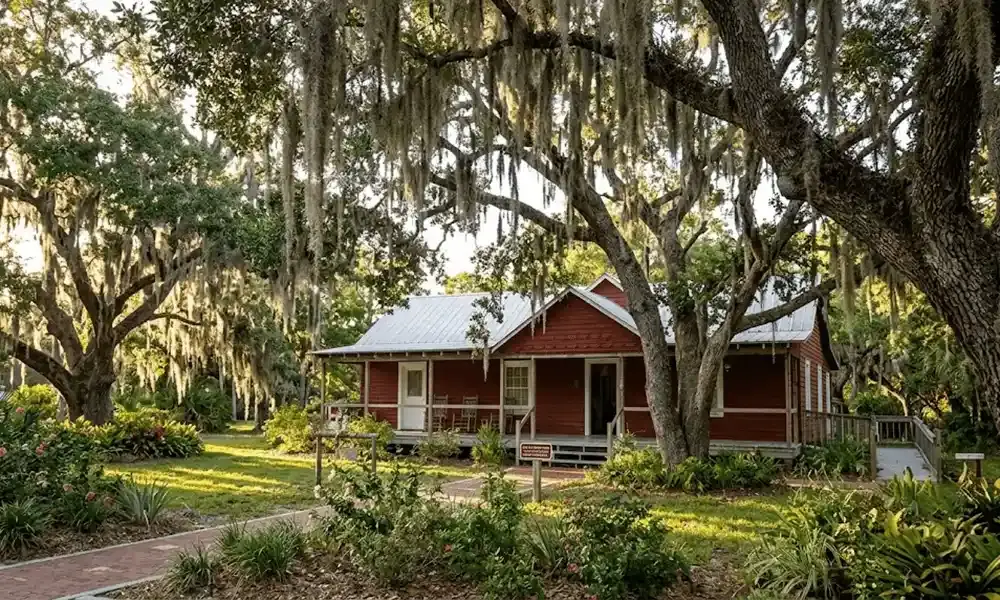
The refuge is best known for its bird life, and it’s genuinely impressive for the size of the area. Species commonly spotted include:
- White ibis, brown pelicans, and double-crested cormorants
- Herons and egrets, including great blue heron and snowy egret
- Roseate spoonbills
- Osprey and bald eagles; the refuge is home to one of Florida’s larger nesting populations of bald eagles
- Frigate birds during the warmer months
Beyond birds, dolphins are frequently spotted in the surrounding waters, and the islands themselves support West Indian manatees and sea turtles in the broader ecosystem.
The Two Islands Most Visitors Explore
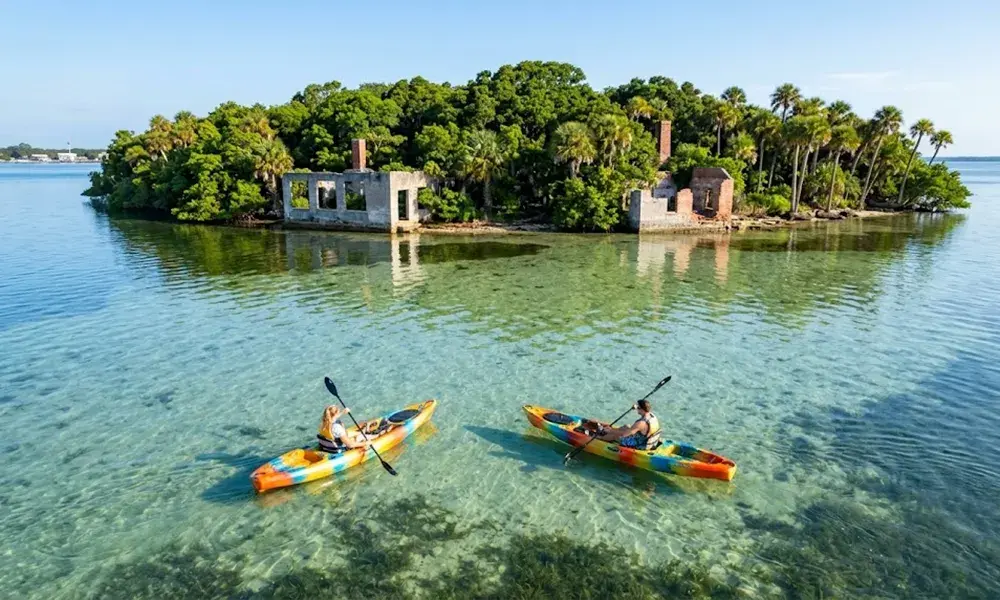
Atsena Otie Key is the most accessible island for casual visitors, about half a mile to a mile by kayak from downtown Cedar Key’s landing area. This was the original site of the Cedar Key settlement before an 1896 hurricane devastated the town, and today it holds a walking trail past the remains of the old Faber pencil mill, a small historic cemetery, and a boardwalk over the marsh to the island’s interior. It’s an easy paddle suitable for most casual kayakers.
Seahorse Key is farther out, roughly five miles from town, and considerably more restricted. The island holds the Cedar Key Light Station, first lit in 1854, but it’s leased to the University of Florida for marine research and is generally closed to public entry. On top of that, Seahorse Key is closed entirely from March 1 through June 30 each year (including a 300-foot buffer around the island) to protect nesting bird colonies during breeding season.
How to Get There
The refuge is only accessible by water; there’s no bridge or land route to the islands themselves. Options include:
- Kayak rental from one of several outfitters in downtown Cedar Key, ideal for reaching Atsena Otie Key
- Private or rented boat, for visitors comfortable navigating the shallow surrounding waters
- Guided tour boats, available through listings on the Cedar Key Chamber of Commerce website
Because much of this water is extremely shallow, tide plays a major role in accessibility; low tide can expose mudflats that make navigation difficult, even for shallow-draft kayaks.
Best Time to Visit
For birdwatching specifically, winter tends to draw the most attention, since migratory bird populations are often at their highest and the milder temperatures make for more comfortable exploring. That said, the refuge is worth visiting year-round, and spring and fall migration periods can also produce excellent birdwatching.
For general visiting and kayaking, spring and fall offer the most comfortable weather, with lighter mosquito activity than the peak of summer.
For access to more of the refuge, avoid visiting Seahorse Key’s surrounding waters between March and June, when the closure and buffer zone are in effect.
What to Bring
- Insect repellent: trail visitors consistently note heavy mosquito activity on Atsena Otie Key, especially in warmer months
- Water and sun protection, there are no food services or facilities on the islands themselves
- Binoculars, for making the most of the birdwatching opportunities
- A boat or kayak, since there’s no way to reach the refuge on foot
A Few Rules Worth Knowing
Camping is generally not permitted within the refuge, and the interiors of several islands (including Snake Key, Deadmans Key, and North Key) are closed to public entry to protect sensitive nesting habitat, even though their beaches remain open. Interior areas of the islands also have thick undergrowth and venomous snakes, so sticking to marked trails is both a wildlife protection measure and a practical safety consideration. Current rules and any open-house event dates are maintained on the official U.S. Fish and Wildlife Service refuge page.
Why This Matters Even If You’re Just Here to Fish
The same shallow flats, oyster bars, and protected waters that make the Cedar Keys refuge such important bird habitat are part of what makes the surrounding waters such productive fishing grounds. It’s not uncommon to see eagles, osprey, and dolphins during a day of fishing here, part of what makes Cedar Key charters feel like more than just a fishing trip for a lot of visitors.
Ready to Experience Cedar Key’s Wild Side?
Whether you’re spending a morning kayaking out to the refuge or booking a full day of fishing in the surrounding waters, book your Cedar Key charter and experience this stretch of protected Gulf Coast up close.
Frequently Asked Questions
Can you visit the Cedar Keys National Wildlife Refuge?
Yes. Most of the refuge’s islands are open to visitors by boat or kayak, though some interior areas are closed to protect nesting habitat, and Seahorse Key is closed to public entry entirely.
How do you get to the Cedar Keys National Wildlife Refuge?
The refuge is only accessible by water, via kayak, private boat, or a guided tour boat departing from downtown Cedar Key.
What is the best time to visit for birdwatching?
Winter typically offers strong birdwatching due to migratory populations, though spring and fall migration periods can also be excellent.
Is Seahorse Key open to the public?
No. Seahorse Key is leased to the University of Florida for marine research and is generally closed to the public, with an additional seasonal closure from March 1 through June 30 to protect nesting birds.
Do I need my own boat to visit the refuge?
No. Kayak rentals and guided tour boats are available in downtown Cedar Key for visitors without their own vessel.
Saltwater Outlaw Charters, Cedar Key, FL | Captain Tracy Collins | 352-843-4067
