

A fishing license in Cedar Key, Florida, is required in most cases. Florida mandates a saltwater fishing license for anyone who fishes in the area, including catch-and-release, unless an exemption applies. The biggest exemptions are being under 16, being a Florida resident age 65 or older, or fishing from a for-hire vessel with a valid charter license. Once you are legal to fish, you also need to follow species rules, such as slot limits, bag limits, and gear restrictions.
This guide explains who needs a license, how to get one, and the current rules for the fish anglers catch most often around Cedar Key. The limits below were checked against Florida Fish and Wildlife Conservation Commission (FWC) pages in October 2026. Because FWC can change rules, confirm anything you plan to keep on the FWC saltwater recreational regulations page before you fish.
Who Needs a Saltwater Fishing License in Florida?
According to the FWC, both Florida residents and visitors need the proper license when fishing. A few details surprise many first-time anglers:
- Catch and release counts. A license is required to attempt to take fish, so if you cast a line, you need one, even if you plan to release everything.
- Helping counts, too. Someone who baits hooks or assists another angler is considered to be participating, and the rule applies to them.
- Non-fish marine life is covered. A saltwater license also applies to taking things like crabs and lobsters.
- Residents and visitors are both covered. There is a separate way to buy a visitor license, so tourists are not exempt just because they are traveling.
If you are listed on the National Saltwater Angler Registry, you also generally need a Florida license unless you qualify for an exemption.
Who Is Exempt from the Saltwater License?
Florida law lists several exemptions. The ones most relevant to a Cedar Key trip include:
- Youth under 16.
- Florida residents age 65 or older, with proof of age or residency, such as a Florida driver’s license or ID card, or the optional free Resident 65+ certificate.
- Anglers on a licensed for-hire vessel. People saltwater fishing from a guide, charter, or party boat that holds a valid charter license do not need their own individual license.
- Anglers on a vessel with a recreational saltwater vessel license. If the boat’s operator holds a valid vessel license in the operator’s name, passengers are covered.
- Anglers on a licensed pier. A valid saltwater pier license covers people fishing from that pier.
- Free saltwater fishing days. FWC sets a small number of days each year when no license is needed. See the FWC free fishing days page for current dates.
- Certain resident shoreline situations. Florida residents fishing with live or natural bait and poles or lines without a reel, for noncommercial purposes, in their home county can be exempt. This one has fine print, so read the FWC details first.
If you are not sure whether an exemption applies, buy the license. It is inexpensive compared with the risk of a citation.
How Do You Get a Florida Saltwater Fishing License?
You can buy a license online through Go Outdoors Florida, at many bait and tackle shops, and at county tax collector offices. FWC’s how-to-order page walks through the options, including short-term licenses for visitors. Prices and license types can change, so check the current options at checkout.
Do You Need a License on a Cedar Key Charter?
Under the FWC exemption for licensed for-hire vessels, passengers on a properly licensed charter do not need an individual saltwater license. When you book with Saltwater Outlaw, fishing licenses are included with your trip, along with bait, tackle, water, and cooler space, so you can step aboard without buying anything first. If you have questions about your party, ask your captain when you book. For more on what to expect, read our first-time charter guide.
Slot Limits, Bag Limits, and Vessel Limits: What the Terms Mean
These terms show up in every set of fishing rules, and they are easy to mix up.
- Slot limit: A size window. You may keep fish only if they fall within it. A redfish with an 18 to 27 inch slot must be at least 18 inches and no more than 27 inches.
- Bag limit: The number of fish one person may keep per day.
- Vessel limit: The maximum number of a species that may be kept on a single boat, regardless of how many people are aboard.
- Total length: In Florida, most inshore size limits are measured as total length, from the nose to the tip of the tail with the tail pinched or compressed. Always measure on a flat surface, not by eye.
Current Rules for Cedar Key’s Main Inshore Species
Cedar Key falls in the Big Bend region for both spotted seatrout and redfish, which matters because Florida now sets many of these rules by region. Here is how the four most common inshore species stack up, based on FWC pages checked in October 2026.
| Species | Size rule | Daily bag limit | Other notes |
| Redfish (red drum) | 18 to 27 inches total length | 1 per person | Vessel limit of 4 |
| Spotted seatrout (speckled trout) | 15 to 19 inches total length | 5 per person | One fish over 19 inches per vessel allowed, or one per person if fishing from shore, and it counts toward the bag limit |
| Black drum | 14 to 24 inches total length | 5 per person | One fish over 24 inches may be included in the bag |
| Sheepshead | 12 inch minimum total length | 8 per person | Vessel limit of 50 per trip in March and April |
A few important notes about this table:
- Seatrout rules are new. FWC introduced a nine-region system for spotted seatrout that took effect April 1, 2026. The Big Bend region is open year-round, and the regulations apply in inland, state, and adjacent federal waters.
- Rules vary by region. If you fish outside the Big Bend, limits can be different. Never assume the same numbers apply across Florida.
- Other species have their own rules. Flounder, Spanish mackerel, tripletail, and others have separate limits. Check the FWC page for any species not listed here.
For a closer look at the fish themselves, see our guide to Cedar Key’s top inshore catches.
Other Rules That Catch Anglers Off Guard
Size and bag limits are only part of the picture. These gear and handling rules apply to several Cedar Key species, according to FWC’s species pages.
- No multiple hooks with natural bait when harvesting. For spotted seatrout, black drum, and sheepshead, you cannot harvest fish caught using a multiple hook in conjunction with live or dead natural bait. In practice, that means treble hooks with live bait are a problem if you plan to keep the fish.
- No snatching. Intentionally snagging fish with a hook is prohibited for these species.
- Keep seatrout whole. Spotted seatrout must remain whole condition until landed ashore, so do not fillet them on the boat if you plan to keep them.
- Captain and crew cannot keep a bag. On a for-hire trip, the captain and crew may not retain a bag limit of spotted seatrout or redfish. This protects the fishery and is normal on guided trips.
- One bag per person. You cannot keep someone else’s bag limit for them.
Protected Areas Near Cedar Key
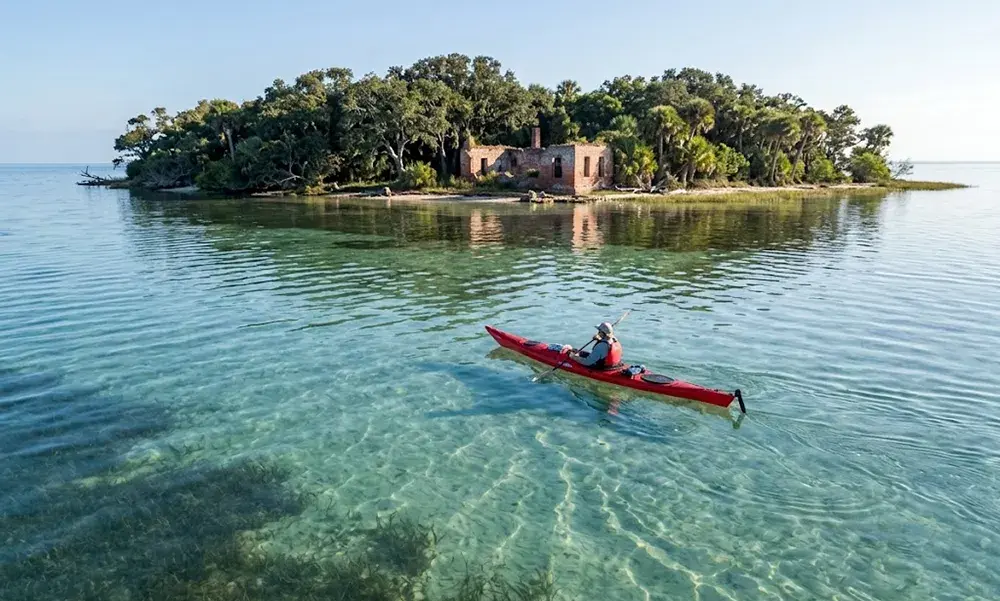
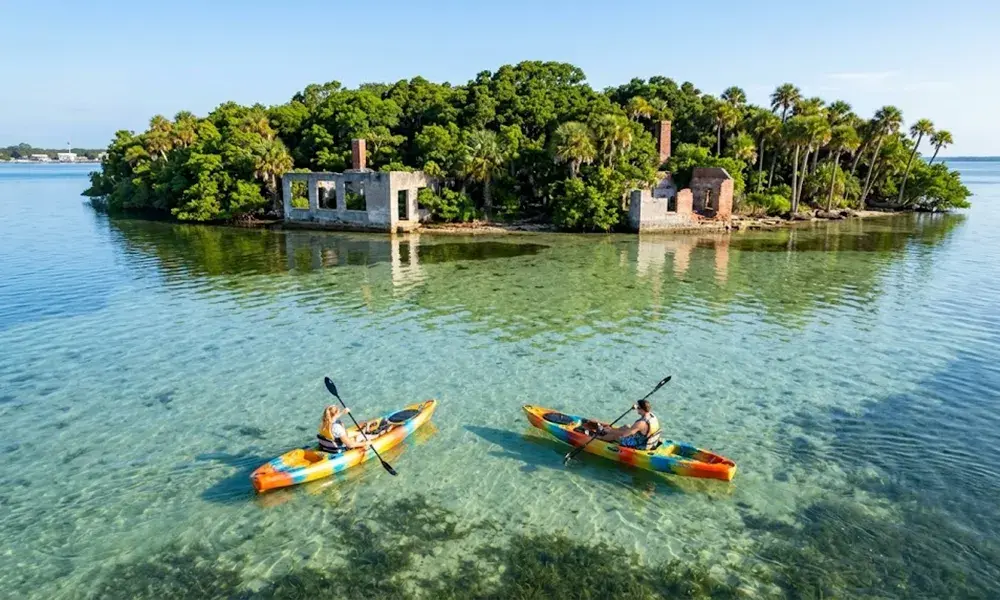
The islands around town are part of the Cedar Keys National Wildlife Refuge. According to the U.S. Fish & Wildlife Service, the refuge is open from sunrise to sunset; access is by boat or kayak, and the interior and vegetated areas of several keys, including North Key, Snake Key, Deadmans Key, Live Oak Key, Scale Key, Cedar Point, and Seahorse Key, are closed. Your captain will know where you can land and where you cannot.
How to Release Fish the Right Way
Because slot limits require you to release many fish, how you release them matters. FWC’s fish handling guidance recommends non-offset circle hooks with natural bait, avoiding long fights, wetting your hands before touching a fish, and releasing it gently head first. Our captains follow the same practices on every trip.
How to Stay Current as the Rules Change
Florida fishing rules change regularly, and FWC has been adjusting regional rules for redfish and seatrout through annual reviews. The safest habits are simple:
- Check the official FWC saltwater recreational regulations page before each trip.
- Use the FWC Fish Rules app, which can show site-specific rules based on your location.
- Bring a measuring tool, and measure every fish you intend to keep.
- When in doubt, release the fish.
- Ask your captain, who works under these rules every day.
Frequently Asked Questions
Q1. Do I need a fishing license to fish from shore in Cedar Key?
Generally yes, unless you qualify for an exemption such as being under 16, being a Florida resident age 65 or older, fishing from a licensed pier, or fishing on a free fishing day.
Q2. Do kids need a fishing license in Florida?
Youth under 16 are exempt from the saltwater fishing license requirement, but they still must follow all size, bag, and gear rules.
Q3. Do I need a license if I only catch and release?
Yes. FWC states that a license is required to attempt to take fish, so catch-and-release fishing still requires one unless an exemption applies.
Q4. What is the redfish slot limit in Cedar Key?
In the Big Bend region, which includes Cedar Key, redfish must be at least 18 inches and no more than 27 inches total length. The bag limit is one per person, with a vessel limit of four.
Q5. How many speckled trout can I keep in Cedar Key?
The Big Bend regional limit is five fish per person per day, within a 15 to 19 inch slot, with a limited allowance for one over-slot fish per vessel. Rules can change, so check FWC before you go.
Q6. Are the fishing rules the same everywhere in Florida?
No. Florida uses regional management for species like redfish and spotted seatrout, so limits can differ from one region to another.
Ready to Fish Cedar Key The Easy Way?
Knowing the rules makes every trip more relaxing, but you do not have to memorize them alone. On a guided charter, your captain handles the measuring, the paperwork, and the legal details, and licenses are included. If you are deciding on a trip length, see our comparison of half-day, 3/4-day, and full-day charters.
Saltwater Outlaw runs private inshore trips for families, friends, beginners, and experienced anglers, with bait, tackle, licenses, water, and cooler space included. Book your Cedar Key fishing charter or call 352-843-4067 to plan your trip.
